
What Impact Will the Autumn Budget Have on the Housing Market?
Key Takeaways
The widely-speculated property tax on homes over £500,000 has been avoided, providing a boost for the market and likely to reboot activity after months of hesitation
There will be a new ‘mansion tax’ for homes over £2m, impacting an estimated 0.5% of UK homes, with 85% of those in London and the South East
No change to stamp duty means many buyers in lower value housing markets will only pay modest amounts of stamp duty. However, the price bands for stamp duty were set a decade ago and average home buyers are paying more over time
Landlords will pay higher rates of income tax for property income, piling further pressure on the rental sector
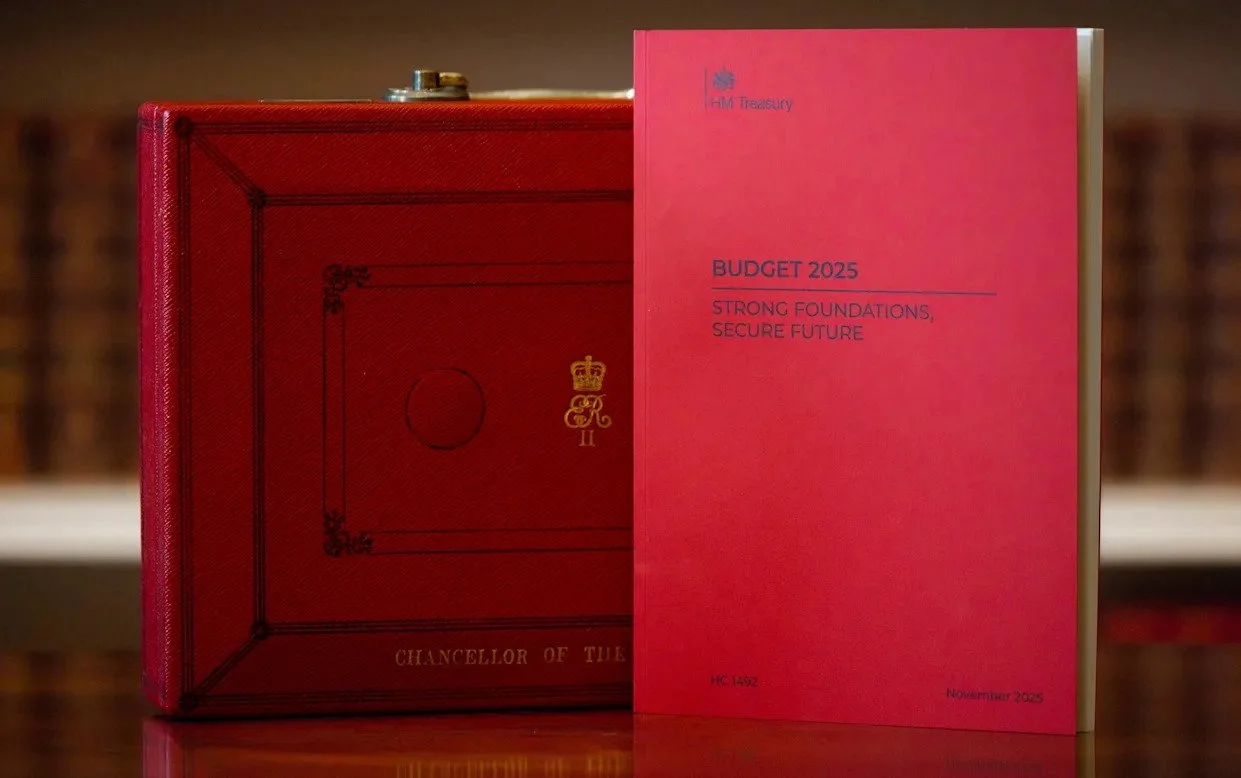
The Chancellor, Rachel Reeves, has unveiled property tax changes in the Budget today as she seeks to plug a reported £20bn hole.
In her second Budget since Labour came into power, Reeves unveiled a raft of tax rises - but property taxes came away relatively untouched, with the announced changes set to impact a far smaller proportion of the market than anticipated.
It comes after several months of intense speculation about what Reeves might have in store, with rumoured proposals ranging from expanding Capital Gains Tax (CGT), to a levy on rental income.
So, here are the key announcements that are set to shape the housing market and what they could mean for you.
No new annual tax on homes over £500,000
A key update is the confirmation that there will be no new annual tax on properties valued above £500,000.
The removal of uncertainty around an annualised property tax should bring relief to the owners of the roughly 210,000 homes currently on the market above £500,000. With the threat lifted, buyer interest is expected to strengthen heading into 2026, particularly across London and southern England where a significant share of homes fall above this level.
The existing stamp duty system therefore remains intact. Buyers in England and Northern Ireland continue to pay stamp duty on homes priced above £125,000, with first-time buyers retaining a £300,000 threshold on properties costing £500,000 or less. It remains a one-off payment due upon completion.
Sellers will not need to adjust their asking prices to absorb an annual charge, preserving affordability for purchasers. It also avoids the cliff-edge effect that might have emerged around the £500,000 mark, where demand could have bunched just below the threshold and softened above it.
In short, continuity may offer the market a steadier footing, even if it is not quite as exciting as some had hoped.
New ‘mansion tax’ on £2m-plus homes
A new high value council tax surcharge will be applied to more than 100,000 of the most expensive homes worth over £2m in England from 2028 - a new so-called ‘mansion tax’.
The Chancellor reported an annual additional annual cost of £2,500 for properties worth more than £2m, rising to £7,500 for properties worth more than £5m.
For a £2m home this is less than double the average council tax today and may be less than many feared.
The mansion tax will affect only a small share of homes, which are heavily concentrated in London and the South East.This may impact sales in the short term but as an annual charge some owners of high value homes may look to sell. The changes impact the very highest-value homes, leaving the vast majority of households unaffected.
Rise to property income tax rates for landlords
Reeves announced that landlords will face increased property tax rates from April 2027. The basic, higher and additional rates of income tax for property income will each increase by 2% taking them to 22%, 42% and 47% respectively.
The move is likely to unsettle landlords further. It comes after Reeves raised stamp duty on the purchase of additional homes, from 3% to 5%, in last year’s Budget.
And there are further regulations for landlords to navigate, such as the Renters’ Rights Act and new energy efficiency regulations.
Landlords have faced higher costs for a number of years and this will be another reduction in post-tax income. However, rents continue to rise and are 25% up over the last 5 years which has supported the income for landlords in the face of rising costs.
Bowman Rebecchi waits to see the impact of today's measures ahead of the Scottish Budget in January 2026.
This article was published by Zoopla.